- Hepatitis C is a virus that can damage your liver.
- Hepatitis C is usually passed on through blood-to-blood contact. It's possible to pass it on through sex, if blood is released or there are small tears in the mucous membranes.
- You often don't notice any symptoms of hepatitis C.
- Without treatment, hepatitis C can lead to liver cirrhosis or liver cancer.
- In doubt? Do a hepatitis C STI test just to be sure.
On this page
Chapter 1. What is hepatitis C?Chapter 2. How do you get hepatitis C?
Chapter 3. Symptoms of hepatitis C
Chapter 4. Testing for hepatitis C
Chapter 5. Treatment of hepatitis C
Chapter 6. When is hepatitis C gone?
Chapter 7. How do you prevent hepatitis C?
What is hepatitis C?
Hepatitis C is a virus that damages the liver. Worldwide, it is estimated that about 2% of the world's population is infected with hepatitis C. In the Netherlands, the number of infected people is around 28,000. In other parts of the world, such as Asia, Africa, South America and Eastern Europe, this number is higher. Hepatitis C distinguishes between acute and chronic hepatitis C. Acute hepatitis C is in fact the first stage of hepatitis. We speak of chronic hepatitis C when the infection persists for more than six months.
How do you get hepatitis C?
You can contract a hepatitis C infection when you come into contact with infected blood. This can occur, for example, when getting tattoos or piercings where sterile needles are not used. The virus can also be transmitted through sex, when blood is released during sex. This blood is not always visible: small lesions to the mucous membrane of the anus, for example, quickly occur when fisting, (prolonged and hard) sexual penetration or when using dildos and other sex toys.
Testing for hepatitis C via Soapoli-online
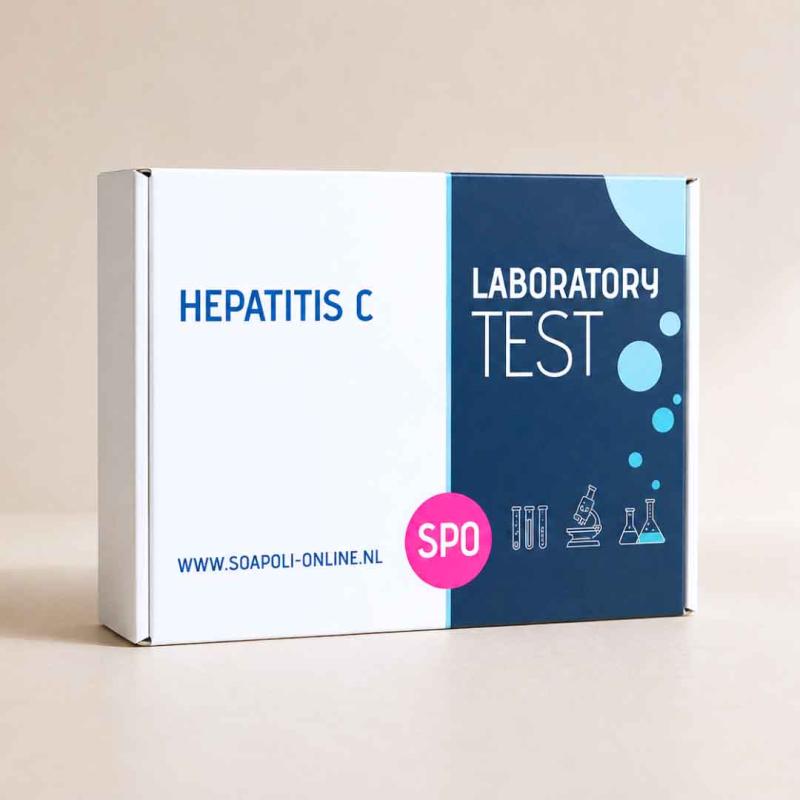
Because hepatitis C often causes few or no symptoms, testing is important when in doubt. If you are infected with hepatitis C, you can see this in your blood. Soapoli-online offers a hepatitis C test that allows you to take a few drops of blood at home. This is also called a finger prick test. You send the sample taken to our ISO-certified lab. You get the results within 48 hours of arriving at the lab.
The advantage of testing at Soapoli-online
√ Results as early as 48 hours after arrival at the ISO-certified lab
√ Complete care: from STI test advice to treatment
√ Ordered before 10:45 p.m., shipped today
Resources
This page has been carefully compiled with information from official and independent health organizations:
Yes, hepatitis C is usually transmitted through blood-to-blood contact. For example, by piercings with unsterile needles or through blood transfusions in countries where there may not be such a high standard of infection control. It can also be transmitted from sharing items like razors or toothbrushes that have blood on them.
Yes, sometimes your body clears the hepatitis C virus on its own. If this does not happen and the virus remains in the body, it's called chronic hepatitis C. In 80% of cases, a hepatitis C infection becomes chronic.Chronic hepatitis C can cause long-term liver damage. So always test when in doubt.
Hepatitis C is easy to treat with medication. Treatment is mainly aimed at preventing further problems such as liver cirrhosis and liver cancer. It's also possible for the hepatitis to be completely cured. If there's no liver cirrhosis yet, the chance of the hepatitis going away is almost 100%.
For a reliable test result, it's best to wait until 8 weeks after possible exposure. This is called the window period. Before 8 weeks, the virus will not be reliably detected in most cases. Not sure of the best time to test? Then use our free STI test guide for personalized advice.